Tracing Incentive Pathways in Smartphone Table Games: From Welcome Credits to Lasting User Retention
Written by Uma Schröder · Aug 30, 2026
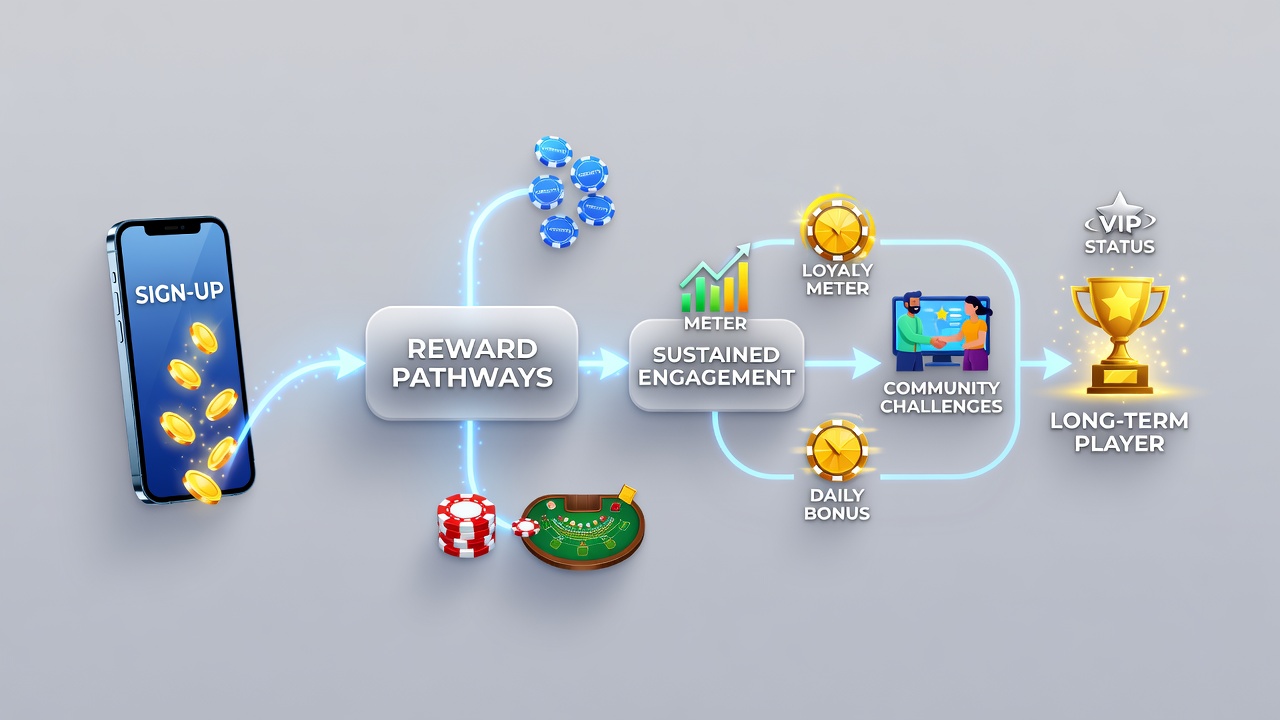
Tracing Incentive Pathways in Smartphone Table Games: From Welcome Credits to Lasting User Retention
Smartphone table games such as blackjack, poker variants, and roulette applications have incorporated structured reward systems that begin with sign-up credits and extend into mechanisms designed to maintain player activity over extended periods, according to industry analyses from the American Gaming Association. These pathways typically start when users download an app and receive initial credits or tokens that allow immediate participation without an upfront financial commitment, and developers monitor how these entry points convert into regular sessions through data collected on session length and return frequency.
Initial Credit Allocation and Early Engagement Patterns
Sign-up credits function as the first stage in these sequences by providing users with a set amount of virtual currency upon registration, which research from academic institutions like the University of Nevada indicates can increase the likelihood of a first play session by lowering barriers to entry. In many applications the credits appear automatically after account verification, and users often see prompts that highlight table game options available right away, while tracking tools record whether the credits lead to continued play or quick departure. Data collected across multiple platforms shows that players who utilize initial credits within the first 24 hours demonstrate higher rates of return visits in subsequent days, although conversion metrics vary depending on game type and additional prompts integrated into the interface.
Observers note that table game developers adjust credit values seasonally, and one study released in early 2025 highlighted how adjustments made ahead of summer updates influenced average daily active users. Those who've examined retention curves find that the transition from credit consumption to voluntary deposits or continued free play often hinges on visible progress indicators such as level-ups or achievement badges displayed prominently on the screen.
Progression Mechanisms and Mid-Term Retention Strategies
After the initial phase, applications shift focus toward layered incentives that reward consistent logins and table game participation, with daily login bonuses and mission-based tasks serving as common tools to bridge early activity into habitual use. Figures from Canadian regulatory reports on digital gaming reveal that players receiving escalating rewards for consecutive days show improved retention beyond the first week, while developers integrate table-specific challenges like completing a set number of hands in blackjack to unlock further credits. This stage frequently incorporates social features such as leaderboards or friend invitations that tie individual progress to group dynamics, and analysts point out that these elements help sustain engagement when standalone credit systems begin to lose impact.
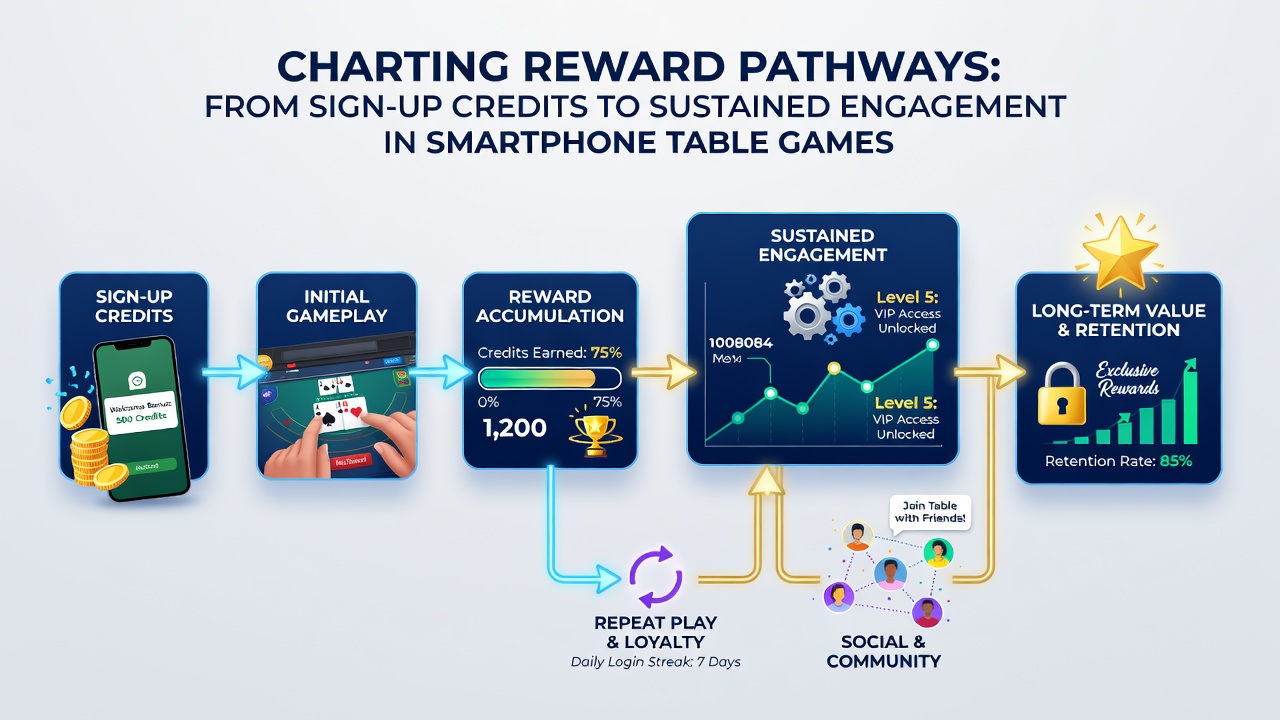
What's interesting is how mid-term pathways incorporate time-limited events that align with broader calendar patterns, including promotions timed around major sporting events or holidays that encourage table game play during peak mobile usage hours. Research indicates that users who complete at least three such events within the first month exhibit longer overall app lifespans, and companies refine these offerings based on aggregated user behavior data gathered from regions including North America and parts of Asia. External factors like device type and operating system updates also influence how smoothly these incentives display, prompting developers to test variations across different smartphone models.
Long-Term Engagement and Data-Driven Adjustments
Sustained engagement in smartphone table games relies on sophisticated tracking that converts raw activity logs into personalized reward adjustments, and reports compiled by European digital entertainment associations demonstrate that tailored offers based on play history can extend average user lifespan by several months. Players who reach higher tiers through accumulated play often receive access to exclusive table variants or accelerated credit earning rates, while algorithms predict churn risk and intervene with targeted bonuses before departure occurs. As of August 2026 several major platforms have introduced cross-game reward pools that allow credits earned in table games to apply toward other genres within the same ecosystem, creating interconnected pathways that reduce the chance of complete disengagement.
Those monitoring industry trends observe that transparency around reward conditions plays a role in maintaining trust, with clear explanations of how credits convert to playtime helping users understand progression without frustration. Data collected globally shows regional differences in preferred incentive types, with some markets favoring competitive elements and others responding more strongly to cooperative challenges integrated into table game sessions.
Conclusion
The progression from sign-up credits to sustained engagement in smartphone table games follows observable patterns shaped by initial access tools, progressive challenges, and ongoing data refinement, with evidence drawn from multiple regulatory and academic sources confirming the effectiveness of sequenced incentives. Developers continue to adapt these structures in response to user behavior metrics, and the resulting pathways support extended participation across diverse player groups worldwide.