Syncing Free Rotation Incentives with Live Dealer Experiences Across Regulated Mobile Platforms
Written by Ben Frank · Sep 27, 2026
Syncing Free Rotation Incentives with Live Dealer Experiences Across Regulated Mobile Platforms
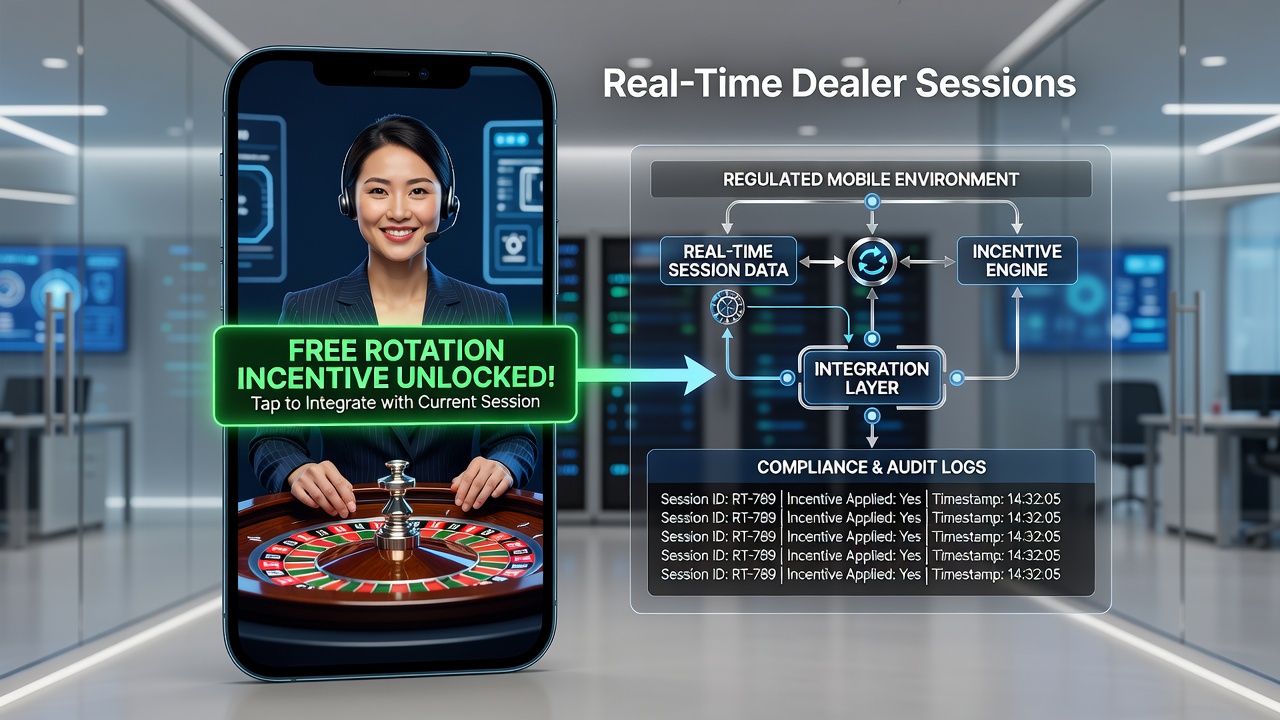
Regulated mobile gaming environments combine rotation-based incentives with real-time dealer sessions through synchronized account tracking systems that monitor player activity across multiple game types, and these setups rely on backend protocols that allocate bonus rotations automatically once certain live table conditions are met. Observers note that operators deploy API connections between slot rotation modules and live dealer streams so that credits earned during table play transfer directly into eligible spin sequences without manual intervention from the user.
Technical Foundations of Incentive Integration
Developers build these systems around unified player wallets that register both live session outcomes and rotation eligibility in a single ledger, while latency controls ensure updates occur within milliseconds to maintain session continuity on mobile networks. Data from platform audits shows that encryption layers protect transaction logs during cross-game transfers, and regulatory frameworks in multiple jurisdictions require timestamp verification to confirm that rotations activate only after verified live dealer results post to the account.
Regulatory Compliance Across Jurisdictions
Authorities in New Jersey require operators to maintain separate audit trails for rotation incentives tied to live dealer participation, according to guidelines from the Division of Gaming Enforcement, whereas similar rules in Ontario emphasize real-time reporting of bonus allocation to prevent premature triggering outside approved mobile sessions. Systems must log every rotation credit with its originating live table event, and compliance teams run periodic checks that compare session timestamps against bonus activation records to confirm adherence.
Player Journey Through Integrated Sessions
A typical sequence begins when a player joins a live dealer blackjack table via a mobile app, completes a qualifying number of hands, then receives rotation credits that unlock in an adjacent slot interface, yet the transition remains seamless because the platform keeps the dealer stream active in the background. Research from industry testing labs indicates that session persistence features allow users to switch views without losing dealer connection or bonus eligibility status, and push notifications alert participants when rotations become available for immediate use.
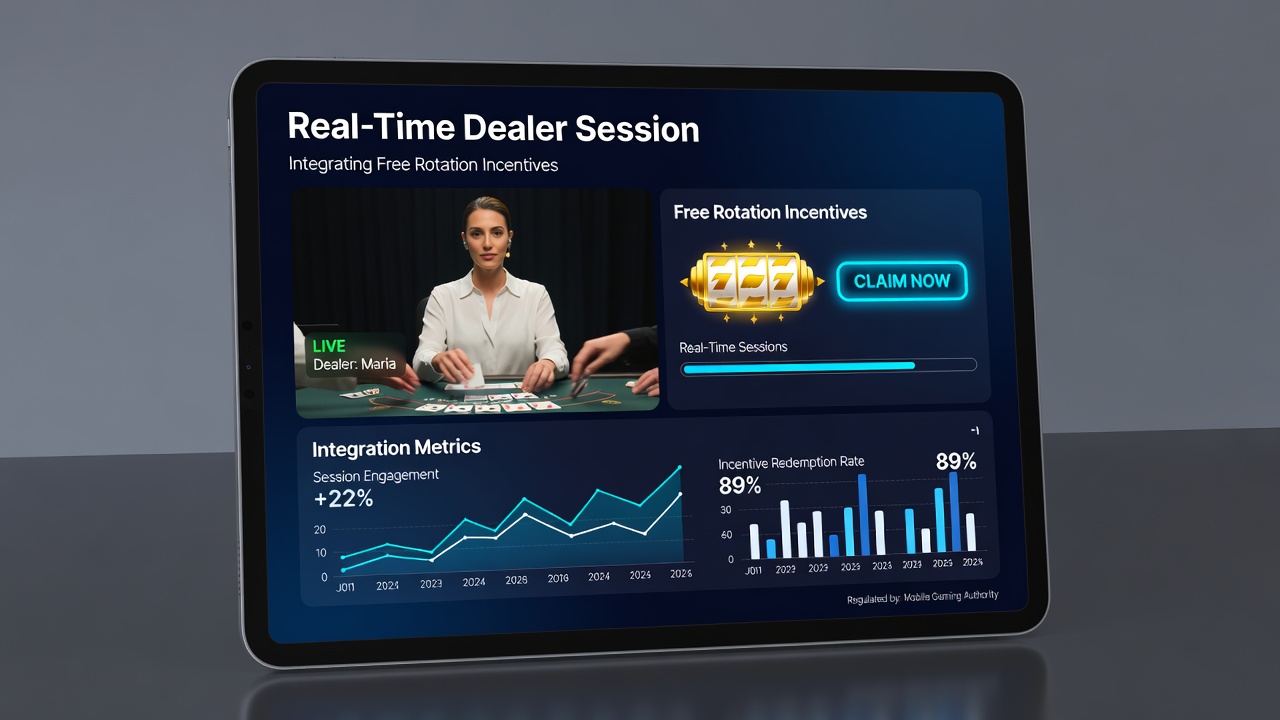
Case examples from tested environments reveal that players often accumulate rotations during extended dealer sessions, after which the credits apply to predetermined reel configurations that mirror payout structures from the live game, and this mirroring helps maintain thematic consistency across the platform. Engineers adjust volatility parameters so that rotation outcomes align statistically with live table return rates, thereby satisfying fairness audits required by oversight bodies.
September 2026 Implementation Timeline
Updated technical standards scheduled for September 2026 introduce mandatory two-factor confirmation for rotation credits earned in live sessions, requiring players to verify mobile identity before spins activate, and these measures aim to reduce discrepancies between reported live results and bonus deployments. Platform providers have begun rolling out preparatory code updates that embed the new verification steps into existing integration layers without disrupting ongoing dealer streams.
Security and Data Handling Practices
Encryption protocols wrap all rotation data exchanges between live dealer servers and mobile rotation engines, while intrusion detection systems flag anomalies such as rapid cross-game credit movements that exceed established thresholds. Industry reports from the Alcohol and Gaming Commission of Ontario highlight that regular penetration testing confirms these safeguards hold under simulated high-volume mobile traffic, and operators must submit quarterly summaries detailing any integration-related incidents.
Conclusion
Integration of free rotation incentives with real-time dealer sessions continues to evolve through layered technical and regulatory frameworks that prioritize synchronized data flows and verified compliance across mobile environments. Future adjustments will likely refine verification steps and reporting structures as platforms scale these combined features to larger user bases.