Reward Layering Sequences in Regulated App-Based Table Gaming Environments
Written by Logan Reed · Nov 8, 2026
Reward Layering Sequences in Regulated App-Based Table Gaming Environments
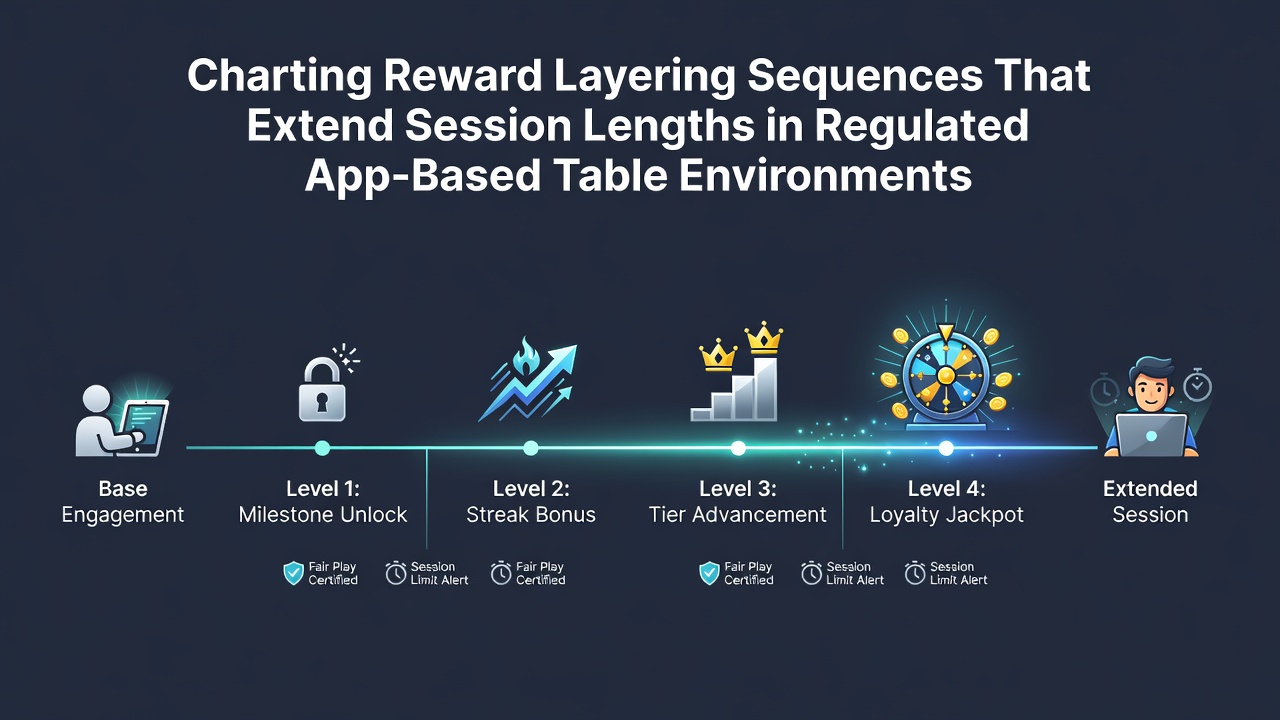
Operators in regulated mobile table environments build sequences of incentives that connect welcome credits, in-game multipliers, and loyalty tiers into continuous play cycles. These sequences rely on data from player behavior patterns collected across blackjack, roulette, and baccarat applications, where each completed round triggers eligibility for the next reward tier. Regulators in multiple jurisdictions require transparent disclosure of how these layers activate, which creates standardized reporting frameworks used by developers and compliance teams alike.
Core Components of Layered Incentive Systems
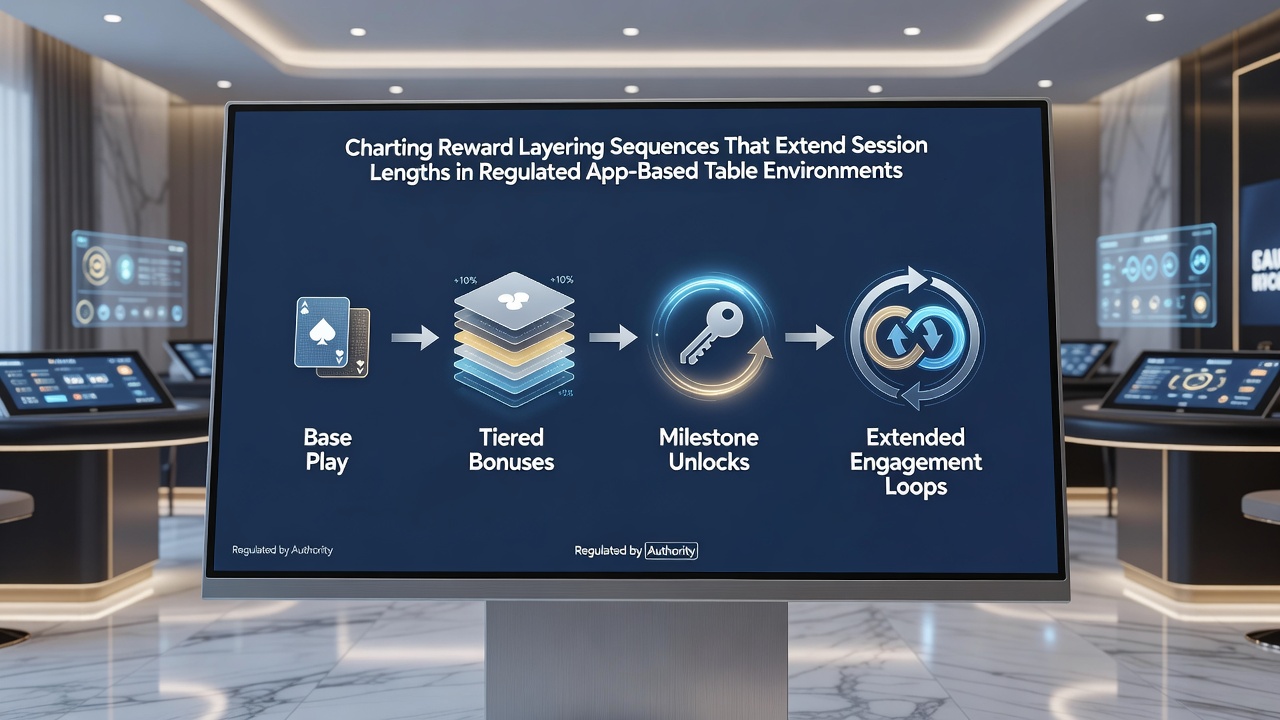
Initial deposit matches form the base layer while subsequent free bet credits activate only after a set number of table rounds complete. Progressive multipliers then attach to wins once players reach volume thresholds tracked within the application, and cashback percentages apply automatically to net losses recorded over rolling 24-hour windows. Research from the University of Nevada Reno Gaming Research Center shows that such sequenced triggers correlate with measurable increases in average session duration across multiple state-licensed platforms.
Table game applications integrate these layers through backend algorithms that adjust offer frequency based on real-time engagement metrics. When a player completes a streak of consecutive hands, the system unlocks a temporary boost to the next reward tier rather than resetting the counter. Observers note that this mechanic maintains momentum without requiring external prompts, and data from Canadian provincial gaming authorities confirms similar patterns in licensed poker and baccarat mobile products.
Session Extension Mechanisms Across Jurisdictions
European operators combine loyalty point accrual with time-limited table challenges that stack onto existing bonus balances. Australian state regulators require clear separation between promotional credits and real-money balances, which forces developers to display layered rewards in distinct interface sections. In November 2026 several U.S. state gaming boards plan to introduce unified reporting standards for these sequences, aiming to align disclosure rules across mobile table environments operating under different licenses.
One documented approach involves embedding progressive jackpots within standard table rounds so that each additional layer of play contributes to a shared prize pool. Players who advance through multiple tiers within a single session receive accelerated point accumulation, and the system records these events for audit purposes. Industry reports from the European Gaming and Betting Association detail how such structures appear in compliant applications across several member states.
Data Tracking and Compliance Requirements
Application developers log every reward trigger and redemption event to satisfy audit trails demanded by licensing bodies. These logs capture timestamped sequences that link initial deposits to later-stage multipliers and final cashback calculations. Analysts at research institutions such as the Alberta Gambling Research Institute have examined these datasets and identified consistent relationships between layered reward timing and prolonged table engagement periods.
Automated compliance checks scan for prohibited stacking patterns that would violate responsible gaming parameters. When a sequence approaches defined session limits, the application pauses further reward activation and displays mandatory break reminders. This safeguard appears in multiple regulatory frameworks and ensures that extension mechanics remain within permitted boundaries while still providing structured progression for eligible players.
Future Adjustments Scheduled for 2026
Regulatory updates planned for November 2026 introduce standardized metrics for measuring how reward layers influence session length across different table game types. Developers must adjust their sequencing logic to accommodate new disclosure formats that highlight each incentive stage separately. Those adjustments will affect how applications present combined offers in blackjack and roulette environments while maintaining compatibility with existing loyalty programs.
Conclusion
Layered reward sequences continue to evolve within the constraints set by licensing authorities across multiple regions. Tracking systems record each activation point and redemption outcome, providing the factual basis for ongoing regulatory reviews. As standards align further in late 2026, operators will refine these sequences to balance engagement goals with compliance obligations in regulated mobile table environments.