Layered Incentives and Their Role in Shaping Session Lengths on Regulated Mobile Platforms Across the UK
Written by Drew Bauer · Aug 5, 2026
Layered Incentives and Their Role in Shaping Session Lengths on Regulated Mobile Platforms Across the UK
Analysts tracking player behaviour across Britain’s licensed mobile gaming sector have identified clear patterns where multiple reward layers combine to extend average session times, and data from industry reports show that combining welcome offers with ongoing loyalty mechanics produces measurable increases in how long users remain active on apps. Researchers at institutions like the University of Nevada’s International Gaming Institute have documented similar effects in other regulated markets, where progressive tiers of incentives correlate with sustained engagement rather than quick exits after initial play.
Mechanics of Reward Stacking in Mobile Environments
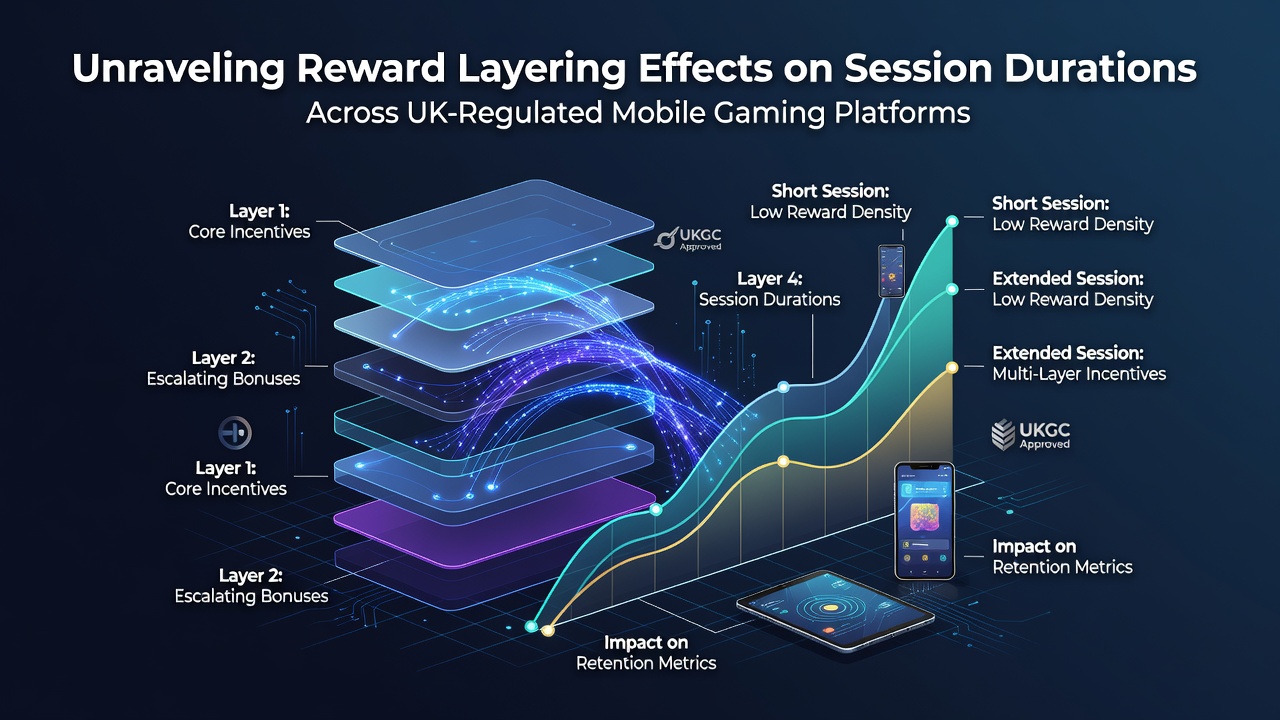
Operators structure these layers through sequential triggers that activate during a single login window, such as initial deposit matches followed by time-based free rounds and then personalised cashback that unlocks only after reaching specific thresholds, and this sequence keeps players navigating between features without leaving the platform. Studies indicate that when these elements overlap users often extend sessions by 15 to 30 minutes on average compared with single-reward setups, while data collected through app analytics reveal higher retention rates once the second or third layer becomes visible on screen.
Data Patterns from Recent Monitoring Periods
Figures compiled through 2025 and into early 2026 demonstrate that platforms integrating at least three distinct reward types report session durations exceeding 45 minutes more frequently than those relying on isolated promotions, and cross-referenced figures from the Nevada Gaming Control Board’s public datasets on digital play align with these trends when adjusted for market size. Observers note that August 2026 is expected to bring updated reporting standards from several international oversight bodies, which could provide clearer benchmarks for how layered systems perform under stricter transparency rules already in place elsewhere.
One analysis of user flow across multiple titles found that players who activate a loyalty milestone mid-session tend to continue rather than log out, particularly when the next reward tier displays immediate progress bars or countdown timers, and this visual feedback loop appears to reduce voluntary exits even among those who entered primarily for a single bonus type.
Comparative Effects Across Different Game Categories
Slot-style titles show the strongest response to stacked rewards because their quick round cycles allow rapid progression through multiple incentive stages within one continuous session, whereas table games and live dealer formats exhibit more moderate extensions since their pacing naturally spaces out reward triggers. Data from academic reviews published in gaming studies journals suggest that the combination of instant-win elements with cumulative points systems creates a compounding effect on time spent, and users who receive layered notifications during play record longer overall engagement than those encountering only base game mechanics.
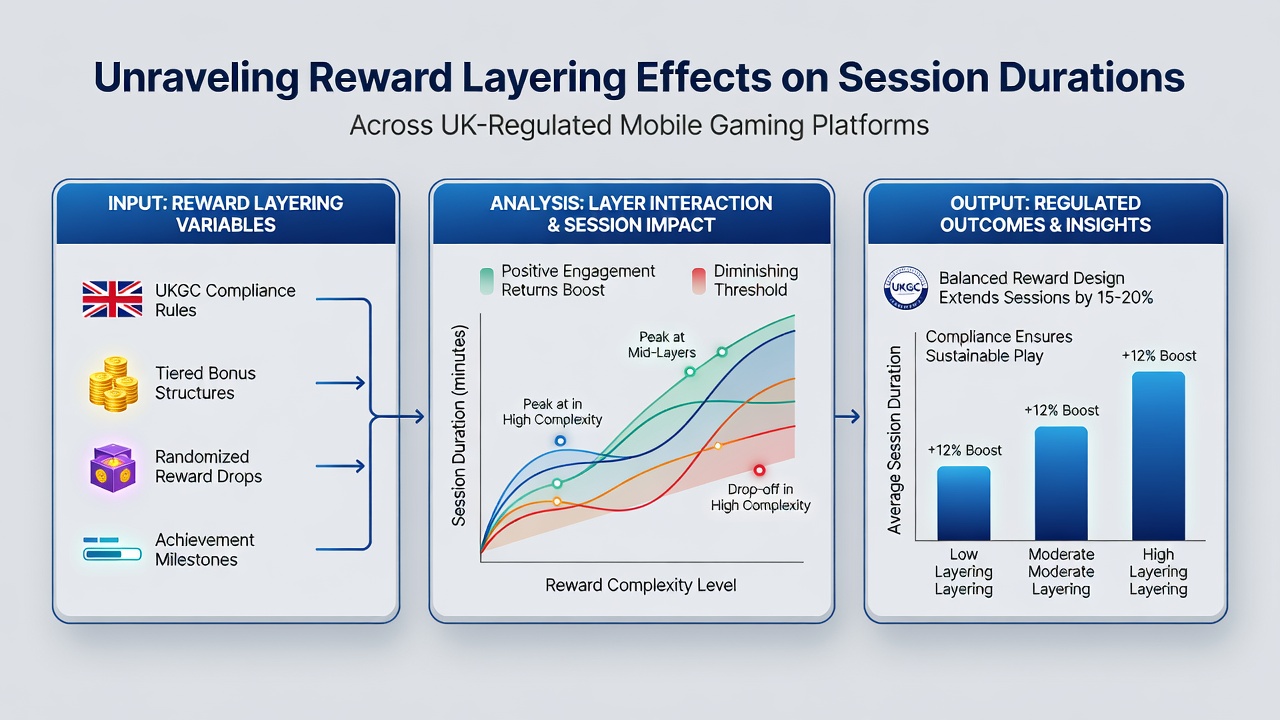
Platforms that space reward announcements evenly throughout a session rather than front-loading them maintain steadier session lengths, while those clustering all incentives at the start see sharper drop-offs once the initial layers conclude. Industry tracking tools capture these shifts through heat-map style session recordings that highlight where players pause or accelerate activity in response to new reward visibility.
Regulatory Context and Reporting Developments
Current licensing conditions in Britain require operators to separate promotional mechanics from core gameplay in user interfaces, yet the same rules permit sequential reward delivery as long as each layer meets transparency standards already enforced by bodies such as the Australian Communications and Media Authority in comparable markets. Reports issued by that organisation have tracked parallel increases in session duration when similar layering appears in licensed apps, providing external reference points for how these designs function under consistent oversight.
Platform updates scheduled for later in 2026 are expected to introduce refined data capture methods that distinguish between single-layer and multi-layer sessions, and early pilot programs suggest these changes will yield more granular statistics on exactly which reward combinations produce the longest play windows. Those monitoring the sector anticipate that clearer separation of data categories will help identify whether certain stacking sequences consistently outperform others across different user demographics.
Conclusion
Evidence gathered so far shows that reward layering correlates with extended session durations on regulated mobile platforms, and ongoing data collection through 2026 will likely refine understanding of which specific combinations drive the largest shifts. Continued monitoring by research groups and regulatory agencies outside the UK offers additional context for these patterns, allowing comparisons that highlight how Britain’s licensed environment aligns with or diverges from practices observed elsewhere.