Integrating Tiered Rewards with Table Game Promotions on Authorized Mobile Platforms
Written by Ben Frank · Nov 22, 2026
Integrating Tiered Rewards with Table Game Promotions on Authorized Mobile Platforms
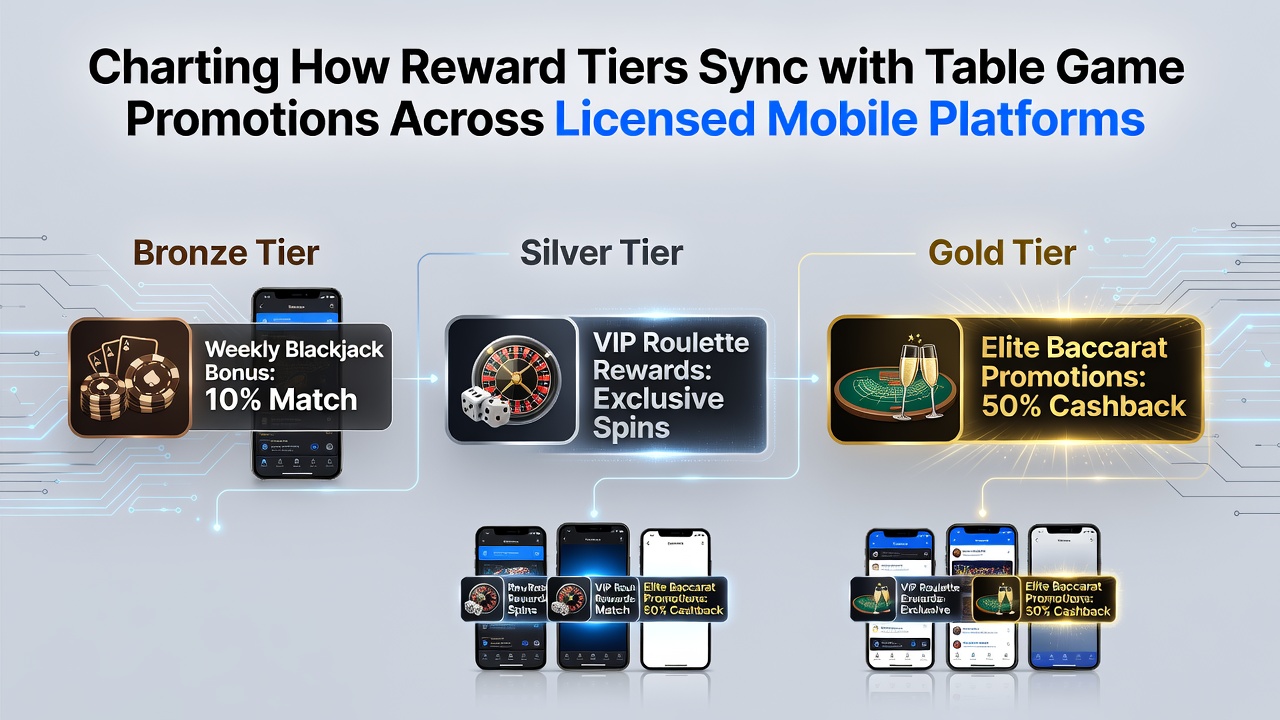
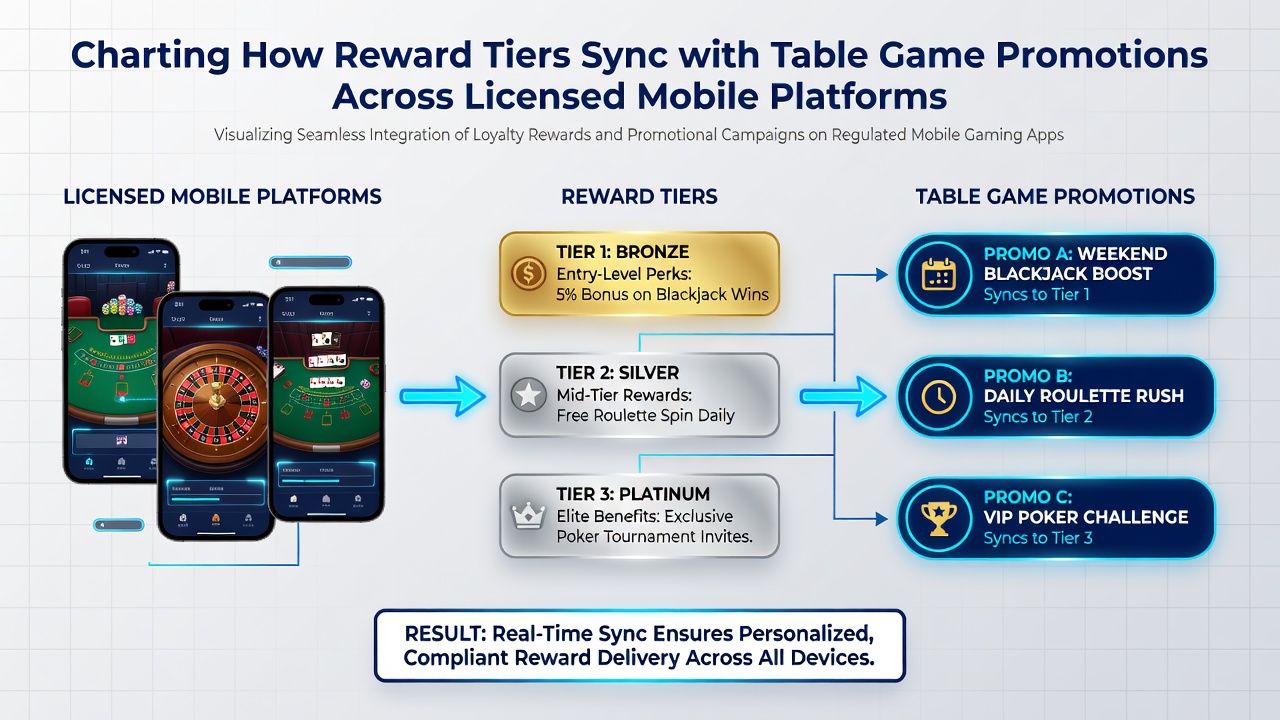
Platform operators structure reward tiers so that players advance through levels based on tracked activity, and these tiers directly influence the scale of table game promotions available on licensed mobile applications. Data from regulatory filings show that base tiers typically grant standard cashback rates on blackjack and roulette wagers, while mid-level and top tiers unlock enhanced multipliers, dedicated dealer access, and reduced wagering thresholds on those same table games.
Operators calibrate progression metrics around cumulative table game volume because these titles generate distinct play patterns compared with slots, and the synchronization allows platforms to retain users who prefer strategic games. Studies from industry research groups indicate that players reaching higher tiers receive targeted offers such as matched deposits applied exclusively to live dealer tables or free bet credits valid on baccarat sessions.
Mechanics of Tier Synchronization
Each licensed mobile platform maintains a points system where table game bets convert into tier points at predefined ratios, and reaching new thresholds automatically updates the player's promotion eligibility in real time. This automation means a user crossing into a silver tier immediately sees revised cashback percentages appear in their account dashboard for subsequent table sessions, without requiring separate activation steps.
Promotions tied to tiers often include time-limited events scheduled around major sporting calendars, and data collected across multiple jurisdictions reveal consistent patterns where higher tiers gain priority entry to these events. Regulators in various regions require transparent disclosure of how tier status modifies promotional terms, which has led operators to publish detailed matrices outlining the exact benefits attached to each level.
One study released by a North American gaming research center documented that platforms using synchronized systems experienced measurable increases in table game session lengths among tiered players, because the aligned rewards create incremental incentives to maintain consistent play volume. These findings align with reports from European operators who implemented similar structures following updates to mobile licensing frameworks.
Regional Variations in Implementation
Licensed platforms operating under frameworks established by bodies such as those in Canadian provinces adjust tier synchronization rules to comply with local advertising standards, which sometimes require separate verification steps before table game bonuses activate. In contrast, certain Australian state regulators mandate that all tier benefits display equivalent wagering contributions regardless of game category, prompting operators to recalibrate how table play feeds into overall progression.
November 2026 marks the scheduled rollout of enhanced mobile compliance protocols in select markets, and operators have begun adjusting their tier tables in advance to ensure table game promotions remain aligned with new reporting requirements. Industry associations including the American Gaming Association have published guidance documents outlining best practices for maintaining this alignment without disrupting player experience.
Cross-platform comparisons show that some operators link tier status to live dealer table availability, granting premium users earlier access to high-limit rooms or exclusive tournament entries. Others focus on static rewards such as percentage boosts that scale automatically with tier level, applied uniformly across roulette, blackjack, and poker variants.
Data Patterns and Player Progression
Analytics shared by platform providers demonstrate that table game participants progress through tiers at different rates depending on bet size distribution and session frequency, which in turn affects how quickly they unlock advanced promotions. Platforms use these patterns to forecast promotional liability and adjust offer parameters accordingly, maintaining balance between player incentives and operational margins.
Observers note that synchronization extends to referral programs as well, where higher-tier players receive amplified rewards for bringing in new users who then engage with table games. This layered approach appears across multiple licensed environments and supports sustained engagement without relying solely on deposit matches.
Conclusion
Operators continue refining how reward tiers interface with table game promotions as mobile licensing standards evolve, and the integration remains a core element of retention strategies across authorized platforms. Tracking these alignments provides insight into how structured incentives shape player behavior on regulated applications.